Greek & Hellenistic Silver
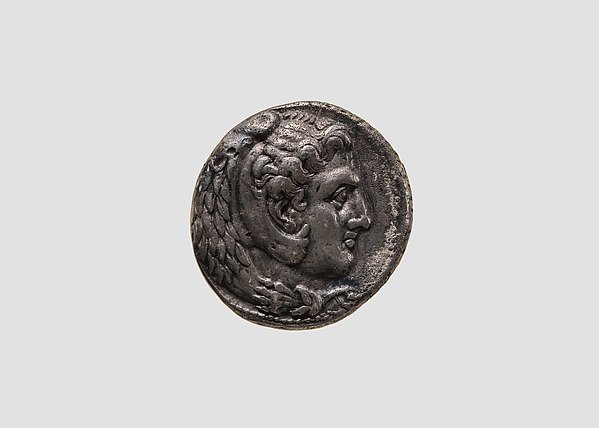
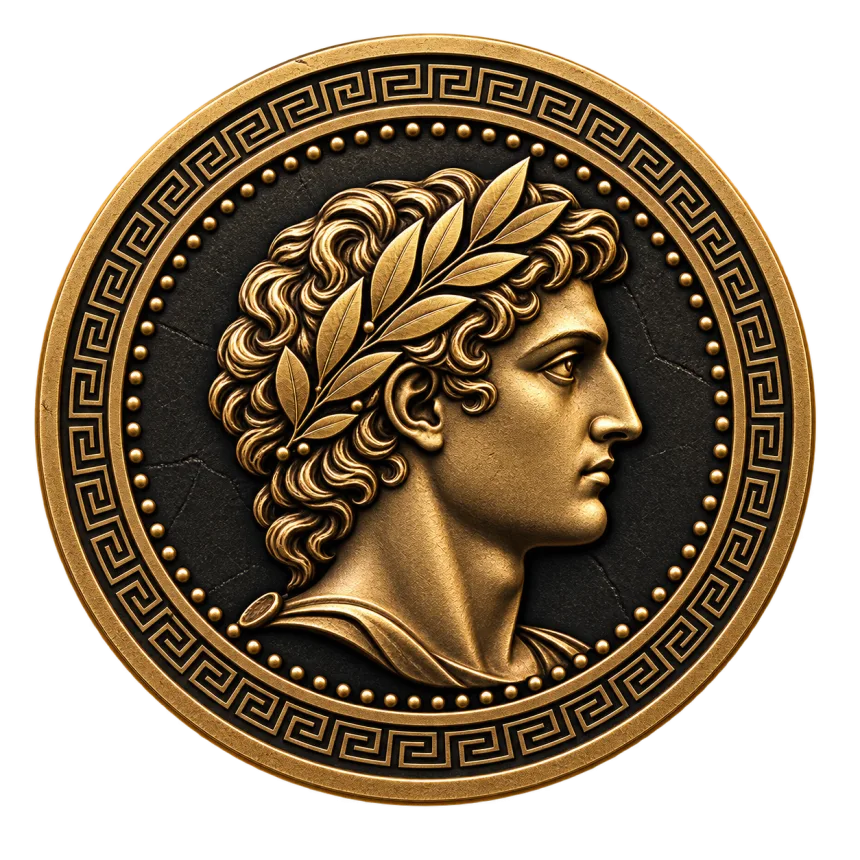
From classical owl tetradrachms to Alexander-type issues, Greek silver coinage is known for strong civic iconography and weight standards tied to the Attic system.
Explore Greek, Roman, and Islamic coins selected for historical character, collector appeal, and clear specifications. Each featured piece is presented with period, metal, diameter, and weight to support confident buying.
Instead of generic luxury copy, this page introduces the catalog through real numismatic lanes: Hellenistic silver, Roman gold, and Anatolian-Islamic issues.
From classical owl tetradrachms to Alexander-type issues, Greek silver coinage is known for strong civic iconography and weight standards tied to the Attic system.
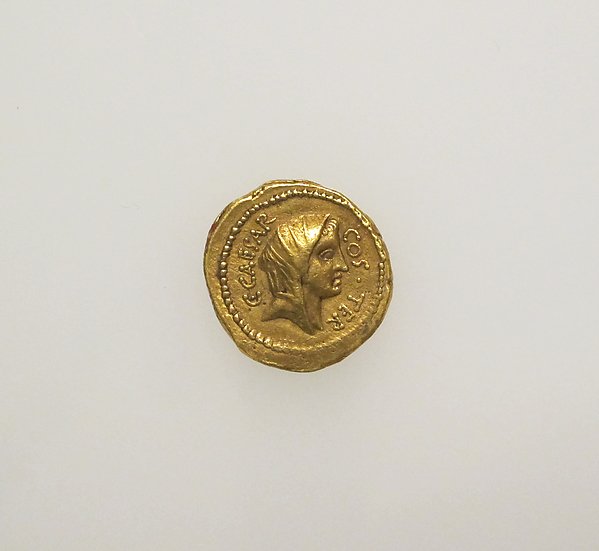
Roman aurei were elite gold issues used for high-value transactions and state payments, often pairing portraits with political, religious, or military reverse types.
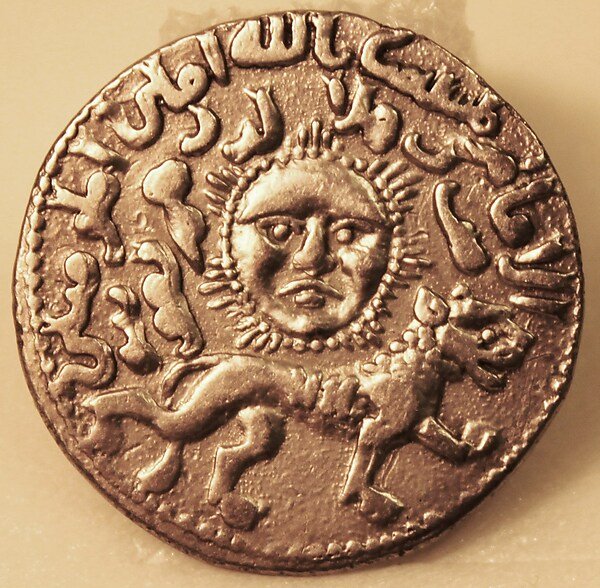
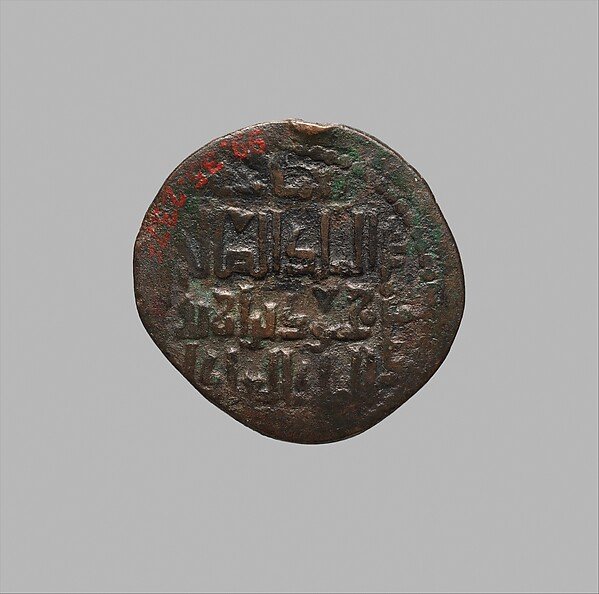
Seljuq and related issues from Konya and Hisn Kayfa show how medieval coinage in Anatolia combined inscriptions, animal imagery, and practical weight standards for regional trade.
A strong antique coin listing helps buyers judge the essentials quickly: authority, period, metal, size, weight, condition, and historical importance.
Start with the ruler, city, or issuing state and the dating range. This places the coin in its historical window before any sales talk begins.
Gold, silver, and copper coins served different monetary roles; weight is one of the fastest sanity checks in numismatics.
Diameter, thickness, and overall fabric reveal whether a coin is compact gold, broad silver, or unusually heavy copper.
Portraits, animals, inscriptions, and reverse types often matter as much as metal when collectors judge significance.
This selection spans Hellenistic silver, Roman gold, and medieval Islamic issues. Each card highlights the historical identity and physical specifications buyers usually review before inquiry.
A silver tetradrachm struck after Alexander's death, showing Herakles on the obverse and Zeus enthroned on the reverse, the standard type continued by Seleucus.
A late Republican aureus dated to 46 BCE. The Met describes an obverse head of Vesta and reverse priestly implements, struck at Rome.
A silver dirham from Konya dated 638 AH / 1240–41 CE. The Met notes that the sun-lion device is exceptional figural imagery in Islamic coinage.
A large copper dirham made in Hisn Kayfa and dated 615 AH / 1218–19 CE. The Met highlights the period's unusually heavy copper coins and their figural imagery.
The images and specifications shown here are reference-based examples that illustrate the style, period, and core details expected in a serious ancient coin presentation.
Collectors often begin with the coin type, then confirm metal, weight, and historical context before moving to condition, provenance, and final pricing.
Read the title first: tetradrachm, aureus, or dirham immediately tells the buyer the coin family and rough monetary rank.
Diameter and weight are shown together so each listing feels concrete and collectible, not just decorative.
A trustworthy offer should point to reference examples, prior provenance, or published records whenever they are available.
Whether you are building a focused collection or searching for a meaningful gift, share the type, period, and budget range you have in mind and we will respond with suitable options.